The best place to find Affordable homes in Abuja

We are recognized for exceeding client expectations and
delivering great results through dedication and ease of process.

We provide Top Real Estate services

Real Estate

We provide our clients best offers on homes and offices at amazing prices with prompt delivery. Our hundreds of clients is testament to this fact.

Facility Management

You can trust us for the proper management and maintenance of your home and office properties with state of the art facilities.

Construction

We handle Building and project development from construction to final phase

Latest Properties

3 Bedroom
Block of Flats and BQ

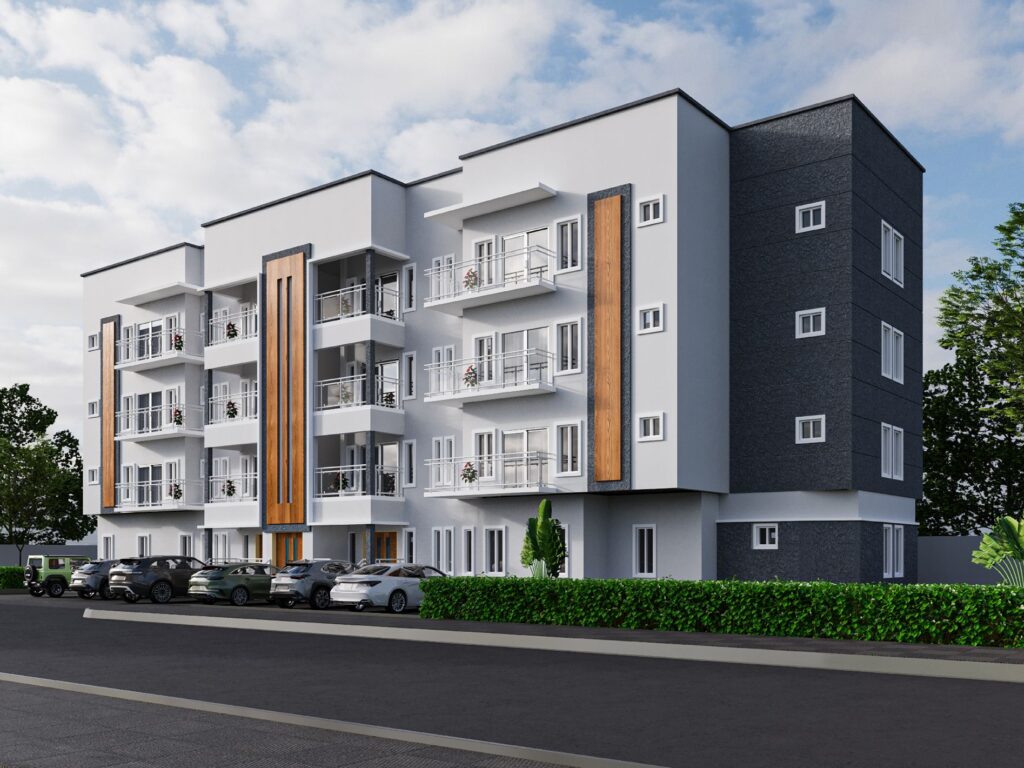
Welcome to this exquisite 3-bedroom apartment, ideally situated in the serene and secure neighborhood of Mabushi, Abuja.

Duplexes

Terraces

Office Spaces

Flats

We are the top real estate agency in F.C.T

For any type of Investment into real estate in Abuja, We are your number one trusted company.

Get rich from Real Estate Investments

Do you need affordable and quality homes for personal or commercial purposes?

Latest News on the Blog

Every Year You Wait, Your Dream Home Quietly Changes Without You Noticing

Not long ago, someone visited one of our listings. He wasn’t there to negotiate. He wasn’t asking for a discount. In fact, he wasn’t even ready to buy. He simply wanted to “See What Was Available.” He walked through the rooms slowly. He paused at the balcony longer than anyone else would have. He looked into the empty spaces and imagined furniture that wasn’t there, children’s laughter that hadn’t happened yet, and quiet Sunday mornings that only existed in his mind. Then he smiled. “I’ll come back next year,” he said. There was nothing unusual about that statement. We hear it often. But something interesting happened. He did come back. The property didn’t. Many people think the biggest risk in real estate is buying the wrong property. It isn’t. The biggest risk is assuming the right property will still be waiting when you’re finally ready. People often believe they’re standing still while they save more money, think things through, or wait for “the perfect time.” Real estate doesn’t stand still with them; Developments grow, Roads are completed, Neighbourhoods become more attractive and Demand quietly increases. Prices adjust not because someone suddenly decided to make them expensive, but because the environment around them has become more valuable. The same apartment you hesitated over twelve months ago may now cost significantly more. Sometimes it has already been sold to someone who made a decision while everyone else was still “thinking.” Here’s something that rarely gets discussed; Waiting doesn’t only cost money; It changes your options. Imagine walking into a restaurant with a full menu, You tell the waiter you’ll decide later, When you finally return, half the menu is gone. You still have choices. Just not the choices you originally had. Real estate works the same way: • The corner unit with the best natural light. • The plot closest to the main road. • The apartment overlooking the park instead of another building. • The flexible payment plan available during launch. These opportunities quietly disappear long before most buyers realise they existed. This is where off-plan developments tell a different story. People often assume buying off-plan is simply about paying less. That isn’t the biggest advantage. The real advantage is having access before everyone else. • Before prices adjust. • Before the best units are taken. • Before infrastructure transforms the location. • Before demand begins chasing supply. Off-plan isn’t just purchasing a property. It’s purchasing time. And time is one of the few things money cannot buy back once it’s gone. Think about the neighbourhood you live in today. Five or ten years ago, someone probably looked at that same area and dismissed it. “There isn’t much here.” “It feels too far.” “I’ll wait.” Today, those same places have supermarkets, schools, better roads, restaurants, hospitals, and growing communities. The people who waited eventually paid today’s prices. The people who believed in tomorrow bought yesterday. That’s the quiet difference. Buying property has never been about predicting the future perfectly. No one can. It’s about recognising momentum before it becomes obvious to everyone else. By the time everyone agrees an area is a great investment, the biggest opportunities have usually passed. The smartest property decisions are rarely the loudest ones. They’re often the quiet decisions made before the headlines arrive. At Richrig Villas, we don’t believe real estate is simply about selling land or homes. It’s about helping people recognise opportunities while they still have the freedom to choose. Because every year you postpone a property decision, the market writes a new story. The question is whether you’ll still be the main character in it or spend another year reading about the opportunities someone else took.

Read More »

The House Was Never the Investment. The Location Was.

Imagine buying two identical houses. Same number of bedrooms. Same finishing. Same design. Ten years later, one is worth twice as much as the other. What changed? Not the tiles. Not the paint. Not the roof. The location. This is one lesson many first-time buyers discover much later. They spend months comparing buildings while giving very little attention to where those buildings actually stand. Buildings Grow Older. Locations Grow Stronger. Every building begins to age the moment construction is completed. Paint fades. Pipes need replacing. Roofs require maintenance. But great locations often become more valuable over time. New roads appear. Businesses move in. Schools open. Shopping centres follow. Infrastructure attracts people. People attract demand. Demand increases value. The building may become older. The land beneath it becomes more valuable. Why Experienced Investors Visit Empty Land Have you ever noticed that seasoned investors sometimes become excited about places that look… empty? To many people, it doesn’t make sense. There are no supermarkets. Few houses. Limited development. Yet investors are interested. Why? Because they’re not buying today’s reality. They’re investing in tomorrow’s potential. They’re asking questions most buyers never think to ask. What projects has the government announced nearby? Are major roads under construction? Is commercial activity increasing? What population shifts are taking place? Those answers often matter more than marble countertops. The Mistake That Costs More Than Bad Negotiation Many buyers negotiate aggressively over price. Very few investigate future development. Ironically, saving ₦2 million on a purchase price rarely creates as much wealth as choosing a location with stronger long-term growth. In real estate, where you buy often matters more than how well you negotiate. Don’t Buy a House. Buy a Future. The next time you’re considering a property, look beyond the walls. Study the neighbourhood. Understand the infrastructure plans. Observe how the area has changed over the last five years. Then ask yourself one final question: “If I came back here in ten years, would I wish I had invested today?” That question has guided some of the best property decisions ever made. Because in real estate, people remember the house they bought. Investors remember the location they believed in. At Richrig Villas, we don’t just help clients find properties. We help them recognise opportunities that time has not yet made obvious.

Read More »

Why Some People Will Never Become Property Owners—Even When They Can Afford It

There are two people earning almost the same salary. One owns property. The other has spent the last six years saying, “I’m still planning.” The interesting part isn’t their income. It’s their mindset. Every day, people convince themselves that they need “just one more year” before buying property. One more promotion. One more contract. One more salary increase. One more sign from the economy. Then life happens. School fees arrive. A new car suddenly becomes necessary. Rent increases. Family responsibilities multiply. And the dream quietly moves to next year… again. Here’s the uncomfortable truth. For many people, the biggest obstacle to owning property isn’t money. It’s waiting for the perfect moment. The Perfect Time Doesn’t Exist If you ask someone why they haven’t invested in property, you’ll hear familiar answers. “The economy isn’t stable.” “Property prices might reduce.” “I’m waiting until I have enough cash.” These sound reasonable. Until you realize people said the exact same things five years ago. And property prices still increased. Real estate has an interesting habit of refusing to wait for anyone. While buyers are busy waiting for certainty, the market is quietly moving forward. Money Isn’t Always the Problem We’ve met people who could comfortably pay for an off-plan property through flexible payment plans. Instead, they chose to wait because they believed buying outright someday would somehow be safer. Ironically, by the time they were finally “ready,” the same property had become significantly more expensive. Not because the property changed. Because time did. The Most Expensive Word in Real Estate If there were one word that has quietly cost people millions of naira over the years, it would be this: “Later.” Later has delayed investments. Later has increased budgets. Later has turned affordable opportunities into impossible dreams. The truth is, real estate doesn’t usually reward people who know the most. It rewards people who act after making informed decisions. Confidence Comes From Information Buying property should never be rushed. Every investment deserves proper research, document verification, and careful consideration. But there’s a difference between making an informed decision and postponing one indefinitely. The buyers who benefit most aren’t always the wealthiest. They’re often the ones who understand that opportunities have a shelf life. A Different Way to Think About Property Instead of asking, “Can I afford property?” Perhaps ask, “What will it cost me if I keep waiting?” Sometimes the answer isn’t measured in today’s money. It’s measured in tomorrow’s missed opportunities. At Richrig Villas, we believe property ownership begins long before payment is made. It begins with a shift in perspective. Because sometimes, the most valuable investment you make is the decision to stop waiting.

Read More »

Buying Off-Plan Property in Nigeria: The Risk Nobody Talks About

One of the most expensive property decisions I’ve ever seen wasn’t a bad investment. It was no investment at all. That may sound strange, especially in a country where people are constantly warned about making the wrong property choices. But after spending time around property buyers, investors, and developers, I’ve noticed something interesting: many people spend so much time trying to avoid risk that they end up missing opportunities entirely. A few months ago, I had a conversation with a prospective buyer in Abuja. The moment an off-plan property was mentioned, his response came almost immediately:  “No, I don’t want stress. I’ll wait until it’s completed.” Honestly, I understood where he was coming from. For many Nigerians, the words off-plan property trigger concerns about delayed projects, abandoned developments, and broken promises. We’ve all heard the stories. Some have even witnessed them firsthand. But here’s the part of the conversation that rarely happens. What if the biggest risk isn’t buying off-plan? What if the biggest risk is waiting too long? The Cost of Certainty Most people believe buying a completed property is automatically the safer option. And in some ways, they’re right. You can see the building. You can inspect the finishing. You know exactly what you’re getting. But certainty comes at a cost. The apartment selling for ₦120 million today may have been available for ₦80 million or ₦90 million when construction first began. The buyer who purchased early didn’t necessarily have more money or better luck. They simply recognized value before everyone else did. That’s one of the most overlooked truths in real estate. People often focus on the risks of buying early, but very few take time to calculate the cost of waiting. The Hidden Cost of Waiting Every year a buyer delays a decision, several things happen: Before they know it, the property they once considered expensive has become completely unaffordable. I’ve seen buyers postpone decisions for months, hoping prices would drop or a better opportunity would come along. Instead, they watched prices move further away from them. In real estate, waiting feels safe because nothing is being spent But sometimes doing nothing is the most expensive decision of all. Not Every Off-Plan Property Is Worth Buying Now let’s be clear. This isn’t an argument for buying every off-plan development you come across. Far from it. One mistake many first-time investors make is falling in love with beautiful designs and impressive brochures. A stunning 3D rendering does not guarantee project completion. A fancy sales presentation does not guarantee quality delivery. The real question shouldn’t be: “Is this off-plan property risky?” The better question is: “Who is behind the project?” Before investing in any off-plan property, ask: These questions often reveal more than any marketing material ever could. The Lesson Hidden in Abuja’s Growth If you’ve lived in Abuja long enough, you’ve probably seen this happen before. There was a time when many people overlooked areas that are now considered prime investment locations. Some locations lacked proper roads. Others had limited development. Many investors avoided them because they couldn’t immediately see the value. Today, some of those same areas have experienced significant growth in property values, infrastructure development, and demand. The investors who benefited most weren’t necessarily smarter. They simply understood how to recognize potential before everyone else did. They weren’t buying what the area was. They were buying what the area could become. Completed Properties Have Risks Too Another misconception is that completed properties are completely safe. They aren’t. A completed property can still be overpriced. Poor estate management can affect value. Infrastructure challenges can limit appreciation. Market conditions can change. In other words, completion removes some risks but introduces others. That’s why experienced investors don’t focus solely on whether a property is off-plan or completed. They focus on value. They focus on location. They focus on future demand. And most importantly, they focus on the credibility of the people delivering the project. So, Is Buying Off-Plan Property in Nigeria a Risky Move? The honest answer is yes. But so is every worthwhile investment. The goal shouldn’t be to eliminate risk completely. That’s impossible. The goal is to understand the risk, ask the right questions, and make informed decisions. Because in real estate, the most expensive mistake isn’t always buying too early. Sometimes, it’s waiting until everyone else has already discovered the opportunity. The question isn’t whether an off-plan property is risky. The real question is whether you’ve taken the time to understand the opportunity in front of you. In real estate, information creates confidence, and confidence often creates wealth. Richrig Villas believes that informed investors make better decisions. Whether you’re considering an off-plan development or a completed property, understanding the opportunity behind the investment is what truly matters.

Read More »

Is buying an Off-plan property a risky move in Nigeria?

Off-plan Property is Becoming increasingly popular in Nigeria but is it worth it? Investing in real estate is one of the most reliable ways to build wealth in Nigeria. However, as property prices in prime locations continue to skyrocket, a specific investment strategy is taking center stage: off-plan property sales. If you’ve spent any time browsing real estate listings in Lagos or Abuja recently, you’ve likely seen these offers. They promise luxury builds at surprisingly affordable rates. But it leaves many investors asking a critical question: Is buying off-plan a smart financial move, or are you just buying a digital rendering of a dream? Let’s break down exactly what off-plan investing means, the hidden risks you need to watch out for, and how to safely secure your returns. What is Off-Plan Property? Put simply, buying an off-plan property means purchasing a home, apartment, or commercial space before it is completely built. In many cases, construction hasn’t even broken ground yet. You are buying into the developer’s vision, architectural blueprints, and 3D designs. In exchange for your early commitment and trust, developers offer these properties at a fraction of their future market value. The Benefits of Off-Plan Real Estate Investment Why are savvy Nigerian investors flocking to uncompleted buildings? It boils down to three primary financial advantages: 1. Below-Market Purchase Prices Developers need upfront capital to fund construction without relying solely on high-interest bank loans. To attract early buyers, they offer heavy discounts. Buying off-plan allows you to secure a property at its lowest possible price point. 2. Flexible Payment Plans Unlike buying a fully finished home, which usually requires a massive lump-sum payment, off-plan sales typically offer structured milestone payments. You can drop an initial deposit (often 10% to 30%) and spread the remaining balance over 12 to 24 months as construction progresses. 3. Maximum Capital Appreciation Real estate grows in value over time, but off-plan properties experience a double injection of equity. You benefit from natural market growth plus the value added simply by completing the building. By the time the developer hands over the keys, your property is often worth 20% to 40% more than what you paid for it. The Risks: What Developers Don’t Tell You While the upside is massive, off-plan investing isn’t without its pitfalls. If you go in blind, you risk losing your hard-earned capital. Your Checklist for Staying Safe Before Investing: You don’t need to avoid off-plan properties altogether; you just need to do your homework. Treat this four-step checklist as your shield: 1. Audit the Developer’s Track Record Never be a developer’s first guinea pig. Ask to see their completed projects. Visit those sites physically if you can. Did they deliver on time? Are the buildings structurally sound? 2. Demand a “Deed of Assignment” and Approved Plans Ensure the developer actually owns the land and has valid government approvals (like a Certificate of Occupancy or Governor’s Consent) and building permits. Without these, the government can halt construction or demolish the structure later. 3. Bind Them to a Strict Timeline Ensure your contract explicitly states the delivery date and includes a penalty clause. If the developer delays delivery past the agreed deadline, they should owe you a monthly or quarterly financial refund. [If you do a full payment.] Off-plan real estate investments can yield massive profit margins, especially if you target fast-growing, high-demand areas like Abuja or the Lekki-Epe corridor in Lagos.  The trick isn’t finding the prettiest design; it’s finding the most trustworthy developer. Protect your capital, do your due diligence, and off-plan properties can easily become the most lucrative asset in your investment portfolio.

Read More »

The Ultimate Guide to Buying Property in Nigeria

Buying property in Nigeria is both an opportunity and a challenge. The country’s growing population, expanding cities, and rising housing demand make real estate one of the most attractive investment options available today. At the same time, unclear land ownership systems, fraudulent sellers, and inconsistent documentation mean that buyers must proceed carefully. This guide is designed to help you understand how property ownership works in Nigeria, what to look out for, and how to protect your investment every step of the way. Understanding Property Ownership in Nigeria Property ownership in Nigeria operates under a unique legal framework. The Land Use Act of 1978 vests ownership of all land in each state in the hands of the governor, who holds it in trust for the people. In practical terms, this means that individuals and businesses do not own land outright but instead hold rights to occupy and use land for a specified period. For buyers, this legal structure makes documentation extremely important. Ownership is proven not by physical possession alone but by legally recognized titles and approvals. Anyone looking to buy property in Nigeria must understand these legal foundations before committing money to a transaction. Types of Property Buyers Commonly Purchase Property buyers in Nigeria typically choose between land, residential buildings, and commercial properties. Land is often the most affordable entry point and appeals to long-term investors who are willing to wait for appreciation. Residential properties such as apartments, terraces, and detached houses are popular both for personal use and rental income. Commercial properties, including office spaces and retail outlets, usually require higher capital but can offer more stable cash flow when located in strong business areas. Off‑plan properties have also become common, particularly in Lagos and Abuja. These are properties purchased before construction is completed. While they are often cheaper, they require extra caution, as the buyer is relying heavily on the credibility of the developer. The Importance of Land Titles and Documentation One of the most critical aspects of buying property in Nigeria is verifying the land title. A Certificate of Occupancy is widely regarded as the strongest and safest title, as it is issued directly by the state government. Other important documents include the Governor’s Consent, which is required when land is transferred from one owner to another, and the Deed of Assignment, which records the transfer of rights between buyer and seller. Problems arise when buyers rely on receipts or verbal assurances as proof of ownership. These are not sufficient under Nigerian law. Any serious buyer must conduct a search at the state land registry to confirm that the property is not under government acquisition, dispute, or existing encumbrance. This single step prevents the majority of property-related losses in Nigeria. Choosing the Right Location Location remains one of the most influential factors in the value of property in Nigeria. Urban centers like Lagos and Abuja continue to attract buyers because of infrastructure development, job opportunities, and population growth. Areas experiencing rapid expansion, improved road networks, or new commercial activity often see significant appreciation over time. Beyond city names, buyers should evaluate access roads, drainage systems, security, and proximity to essential services. A property in a well-planned, accessible area will almost always outperform a cheaper option in a neglected location, no matter how attractive the price appears initially. The Buying Process Explained The process of buying property in Nigeria begins with defining your purpose clearly. Whether the property is intended for residence, rental income, or future resale will influence the type of property and location you choose. Once a property is identified, verification must come before payment. This includes confirming ownership, inspecting the property physically, and verifying all documents with the appropriate government authorities. After successful verification, negotiations take place, followed by payment through traceable means. Proper documentation is then prepared by a lawyer, and the transaction is finalized through registration and government consent. While this process can take time, skipping or rushing steps often leads to serious complications later. Buying Property as a Nigerian in the Diaspora or a Foreigner Many Nigerians living abroad successfully invest in property back home, but distance increases risk. Buyers in the diaspora must be especially careful about whom they trust. Power of Attorney is commonly used to authorize a representative to act on the buyer’s behalf, but legal oversight remains essential. Foreigners can also purchase property in Nigeria, usually through leasehold arrangements rather than outright ownership. All such transactions must comply with state laws, and professional legal guidance is strongly recommended to avoid invalid agreements. Avoiding Common Pitfalls and Scams Property scams are unfortunately common in Nigeria, particularly involving fake owners, multiple sales of the same land, or disputes with local land-owning families. Buyers who fail to conduct independent verification or who rely solely on agents are most vulnerable. Working with licensed professionals, insisting on proper documentation, and refusing to make rushed payments significantly reduces risk. Cheap land without a verified title is rarely a bargain. In most cases, the cost saved upfront is later lost many times over in legal fees or outright forfeiture. Buying property in Nigeria can be one of the smartest financial decisions you make, provided it is approached with patience, knowledge, and professional support. The opportunities are real, but so are the risks. Understanding land laws, verifying titles, choosing the right location, and following proper legal procedures are not optional; they are essential. A well-bought property offers security, steady income, and long-term growth. In Nigerian real estate, informed buyers are rewarded, while careless ones pay the price. If you take the time to do things properly, property ownership in Nigeria can be both safe and highly profitable.

Read More »